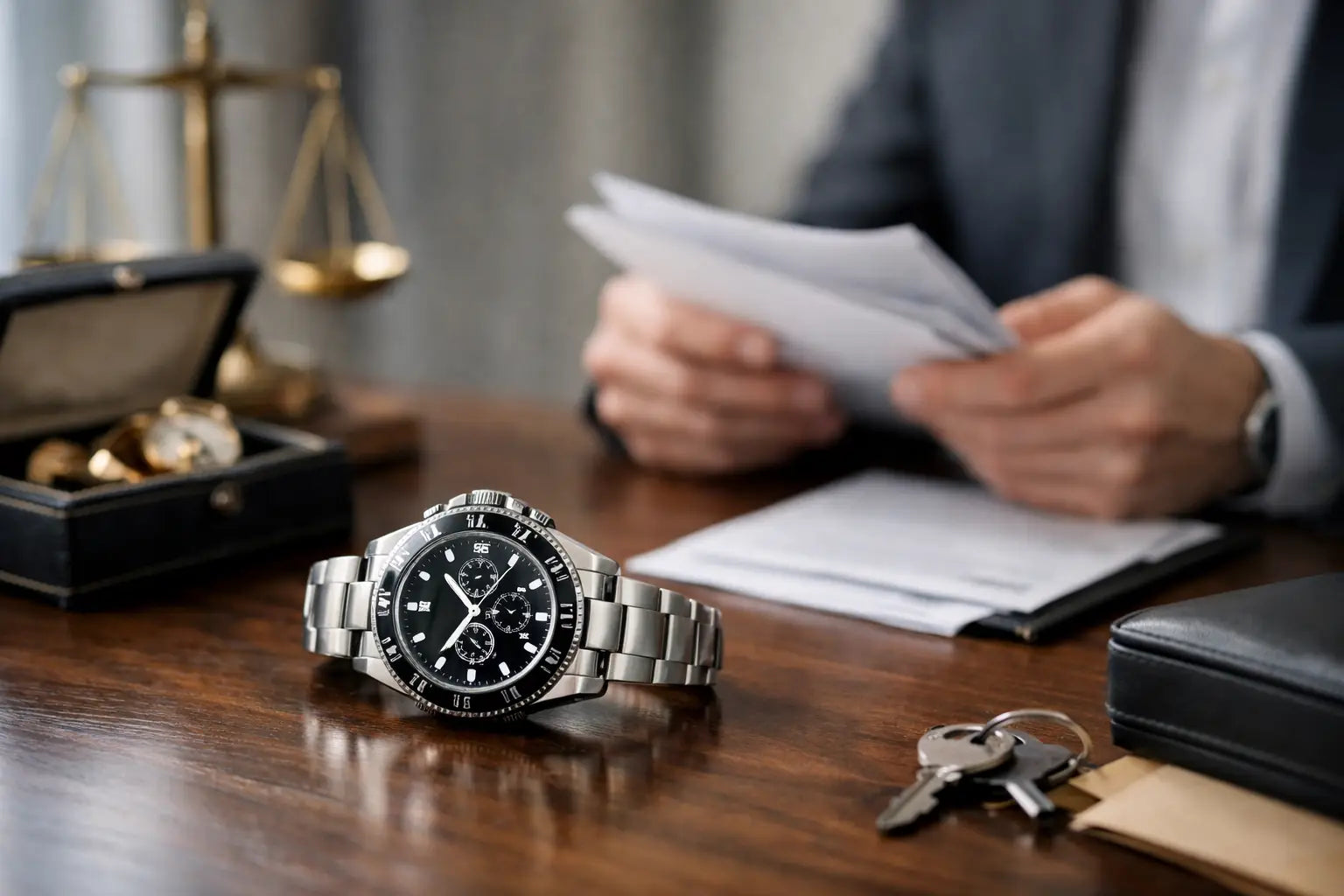
An inherited watch often arrives with two kinds of weight - financial value and family significance. If you need to sell inherited luxury watch securely, the process should protect both. That means getting the watch identified properly, understanding what affects price, and choosing a sale route that does not expose you to scams, chargebacks or unnecessary delays.
For many sellers, the watch is unfamiliar. You may know it is a Rolex, Omega or Cartier, but not the exact reference, age or service history. In some cases, you may have no paperwork at all. That is common, and it does not mean the watch cannot be sold well. It does mean the first step should be careful verification rather than a rushed listing on a marketplace.
Why inherited watches need a different selling approach
Selling your own watch is usually straightforward because you know how long you have owned it, whether it has been polished, when it was serviced and what accessories are included. An inherited piece is different. There may be gaps in the story, uncertainty about authenticity, and mixed condition issues that are not obvious at first glance.
That uncertainty is exactly where many private sellers lose money. They either underprice a valuable piece because they want a quick sale, or they attract the wrong kind of buyer by advertising a watch they cannot fully describe. A secure sale starts with narrowing those unknowns.
This matters even more with vintage or discontinued models. Older Rolex Datejusts, Omega Seamasters, vintage Tudor pieces and precious metal dress watches can vary sharply in value depending on dial originality, bracelet stretch, replacement parts and even small reference differences. A general pawnbroker or casual marketplace buyer may miss that. A specialist buyer should not.
How to sell inherited luxury watch securely from the start
Before seeking offers, gather what you have. That may include the watch box, warranty card, service papers, spare links, purchase receipt, valuation documents or even old family photographs showing the watch being worn. None of these are essential in every case, but they can help support provenance and improve confidence around the sale.
Next, resist the urge to clean the watch aggressively. A soft wipe is fine. Polishing compounds, household cleaners and amateur strap changes are not. On older watches especially, originality matters. Over-cleaning can damage the case, crystal, bezel or dial, and that can reduce value rather than improve it.
Take clear photographs in natural light. Include the dial, case sides, caseback, clasp, bracelet, crown and any serial or reference numbers that are visible without opening the watch. If there is damage, photograph that too. Clear, honest images speed up valuation and reduce the chance of a revised offer later.
What determines the value of an inherited watch
Brand is only the start. Two watches from the same maker can produce very different offers based on reference, age, metal, condition and market demand. A modern steel sports Rolex with box and papers will usually be easier to price and sell than a heavily worn gold dress watch with no documentation, even if the gold watch originally cost more.
Condition carries real weight, but it is not always about looking new. Collectors often prefer unpolished cases, original tritium dials and period-correct parts. A recent service can help on some models, but a poorly restored vintage watch can be less desirable than an honest untouched example. That is why inherited watches should be assessed by a buyer who understands the difference between wear, damage and originality.
Completeness also affects price. Box and papers can strengthen value, particularly on modern Rolex, Patek Philippe, Audemars Piguet and certain Omega models. Missing accessories do not make a watch unsellable, but they may change the offer. The same applies to replacement bracelets, aftermarket diamonds or non-original bezels. These are not always deal-breakers, though they do need to be priced correctly.
The safest ways to sell
If your priority is security and speed, a specialist watch buyer is usually the strongest route. You get a professional valuation, a defined process, insured handling and payment by bank transfer without the open-ended risk of dealing with unknown private buyers. For many inherited watch sellers, that reduction in stress is worth far more than chasing a theoretical top price from a classifieds site.
Private marketplaces can work, but the trade-off is exposure to scams, timewasters, counterfeit payment confirmations, returns disputes and face-to-face safety concerns. High-value watches attract sophisticated fraud. Even experienced sellers can be caught out by reversed bank transfers, fraudulent chargeback claims or buyers who dispute authenticity after the watch has changed hands.
Auction houses sit somewhere in the middle. They can suit rare or highly collectable pieces, especially where competitive bidding may exceed a direct offer. But auctions are slower, fees reduce net return, and estimates do not guarantee final results. If you need certainty, or if the watch is valuable but commercially standard rather than museum-level rare, direct sale or consignment with a specialist is often more practical.
What a secure sale process should include
A proper buying process should be clear from the outset. You should know how the watch will be assessed, whether postage is insured, what identity checks are required, and how quickly payment is made once the offer is accepted.
If you are posting the watch, full insurance is non-negotiable. So is trackable delivery and clear packaging guidance. If you are visiting a showroom, the premises should feel professional and the transaction should be documented properly. If collection is arranged, that chain of custody should also be clear.
Payment method matters too. For a valuable inherited watch, cash is rarely the best answer. Instant bank transfer is usually safer, more traceable and easier to verify. A reputable buyer will also explain whether the quote is subject to inspection and what could cause any adjustment. Vague promises are a warning sign.
Red flags to avoid when you sell inherited luxury watch securely
The biggest risk signs are usually simple. Be cautious if a buyer avoids giving a business address, pushes for a rushed meeting, asks to move the conversation off-platform immediately, or offers an unrealistically high figure without proper inspection. That sort of offer is often designed to draw you in before renegotiation or worse.
You should also be wary of anyone who cannot explain how they reached a valuation. A credible buyer should be able to speak plainly about brand demand, condition, originality and the current market. They do not need to reveal every commercial margin, but they should give you a rational basis for the offer.
If the watch may form part of an estate, make sure you have authority to sell. Where probate or executor responsibilities apply, paperwork may be needed before any transaction completes. A professional buyer will understand that and handle it sensibly.
Direct sale or consignment - which is better?
It depends on your priority. If you want immediate completion, direct sale is usually best. You receive an offer, accept it, complete the checks and get paid quickly. This suits estate settlements, time-sensitive sales and owners who simply want a clean, low-risk transaction.
Consignment can make sense when the watch is especially desirable and you are prepared to wait for the right retail buyer. In that model, the specialist markets the watch for you and takes an agreed fee once it sells. Net proceeds can be higher than a direct purchase offer, but timing is less predictable. Security is still important, so the terms, insurance and expected sale window should be agreed in advance.
A strong specialist can offer both paths honestly rather than forcing one answer. That is usually a good sign. Some watches are better suited to immediate purchase. Others justify a longer route if maximising value is the main goal.
Why specialist appraisal matters
Inherited watches are often misidentified. A family member may remember a watch as solid gold when it is gold capped, or assume any old Rolex is highly rare when it is a common reference. The reverse also happens. Sellers sometimes overlook valuable details such as a sought-after dial variant, original bracelet code or desirable vintage proportions.
This is where dealing with a buyer that understands both headline luxury brands and enthusiast pieces matters. Not every valuable watch is a Daytona or Nautilus. There is strong demand across Omega Speedmaster references, Tudor Black Bay variants, vintage Heuer, Grand Seiko, Cartier Santos models and many lesser-known collector watches. A broad-market specialist is better placed to price that properly.
For UK sellers who want speed without taking unnecessary risks, a business such as Watch Nest is built around that balance - expert appraisal, insured handling, no seller fees and fast payment once the watch has been checked.
Selling an inherited watch does not need to feel uncertain. Get the watch identified properly, choose a buyer with a transparent process, and favour security over noise. The right sale should leave you confident that the watch was handled professionally, priced fairly and paid for without drama.